
Rethinking Healthcare: A Reflection in Three Parts
This article serves as the introduction to a Netiv Explains series, a collection of three pieces exploring how healthcare systems must evolve to navigate growing complexity. This introduction piece and the first article “When healthcare Follows You Home” are available for free. The two subsequent articles expand on these ideas and are accessible through a Netiv membership.
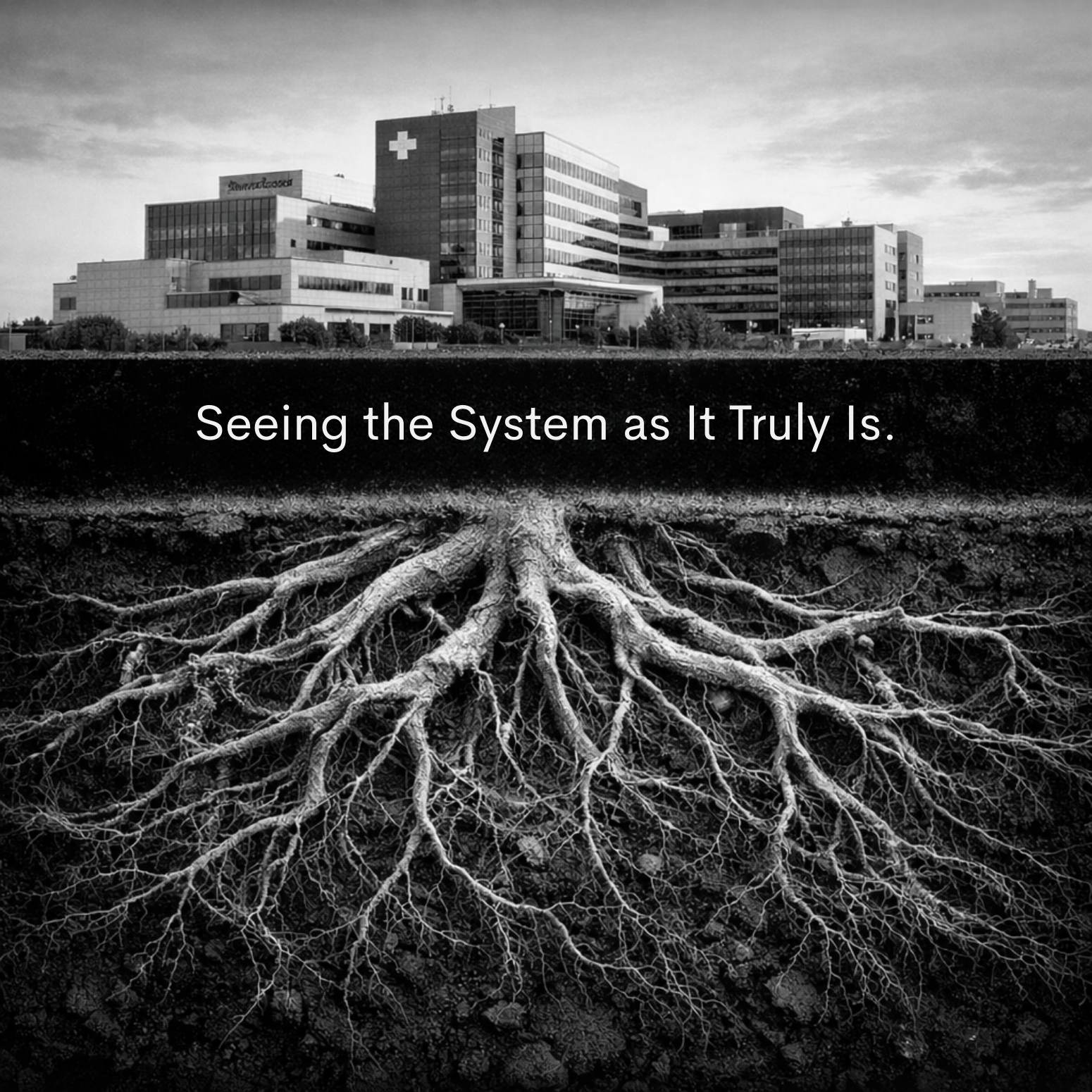
Healthcare is changing. Populations are aging, chronic illness is more common, technology advances rapidly, financial pressures persist, and expectations continue to rise. Across the world, health systems are being asked to do more - more effectively, more equitably, and more sustainably - under conditions that are increasingly complex. In moments like this, urgency can dominate the conversation. Harder, but more necessary, is looking beneath the surface.
This reflection in three parts explores a deeper question: What must exist beneath visible reforms for healthcare to truly serve people well in a shifting world? Rather than focusing on isolated initiatives or technological promises, these essays examine the foundations that shape how systems behave. Each approaches the challenge from a different vantage point, yet together they form a coherent arc.
The first essay, When Healthcare Follows You Home, begins with the person. It asks what healthcare would look like if it were organized around lived experience rather than institutional boundaries. Through the story of Maria, it imagines a system that notices subtle changes before crisis and supports individuals continuously rather than episodically. It invites readers to consider what it would mean for care to surround daily life quietly and intelligently.
The second essay, Steering Through a Moving World, turns to the challenge of leadership and transformation. Even with clear strategy and careful planning, health systems often drift back into familiar patterns. Using the metaphor of a river and its banks, the essay explores why better steering alone is insufficient when the terrain itself is shifting. Sustainable transformation requires disciplined orientation - the capacity to reshape the conditions that guide behavior while preserving coherence under change.
The third essay, Beneath the Forest Floor, looks below the visible surface of reform. If healthcare is to remain steady and humane, it must learn continuously before it acts. Drawing on the metaphor of a rainforest ecosystem, the essay describes the hidden intelligence required to detect strain early, model consequences carefully, and translate insight into responsible stewardship. Artificial intelligence, continuous evidence integration, and reflective judgment are presented not as replacements for human care, but as essential support for a system that hopes to strengthen rather than fragment under pressure.
Taken together, these essays suggest a simple but demanding proposition. Healthcare must surround the person, remain oriented in change, and learn before it decides. Visible reforms alone are not enough. Beneath strategy and policy must lie an architecture that senses, reflects, and adapts deliberately.
These reflections emerge from the work of NETIV - the Institute for Health Systems Thinking - where we explore how complexity, value-based design, and intelligent systems can support a more coherent and humane future for healthcare. The aim is not to offer technical blueprints, but to provide clarity: to illuminate the structural principles that must underlie any serious effort to redesign health systems for the decades ahead.
If healthcare is to become more than a collection of institutions - if it is to function as living infrastructure that people can trust - then its foundations must be both visible and hidden, strategic and humane, disciplined and adaptive. This reflection is an invitation to look more closely at what lies beneath.
